


Human hair extensions are a great way to add length, volume, and versatility to your hairstyle. However, keeping them smooth, soft, and manageable requires the right care routine. Without proper washing, drying, and storage, extensions can develop knots, tangles, dryness, and frizz over time.
Whether you use clip-in extensions for everyday styling or longer-term extensions for added length, understanding how to maintain them can help preserve their appearance and usability.
The good news is that caring for human hair extensions does not have to be complicated. With gentle handling, suitable haircare products, and proper storage, you can keep your extensions looking beautiful for longer.
In this guide, we'll explain how to wash, dry, detangle, and store human hair extensions without unnecessary tangling.
How to Wash, Dry and Store Human Hair Extensions Without Tangling
Why Do Human Hair Extensions Get Tangled?
Human hair extensions can become tangled for several reasons. Unlike natural hair, extensions do not receive natural oils from the scalp. As a result, their lengths may become dry and require appropriate conditioning.
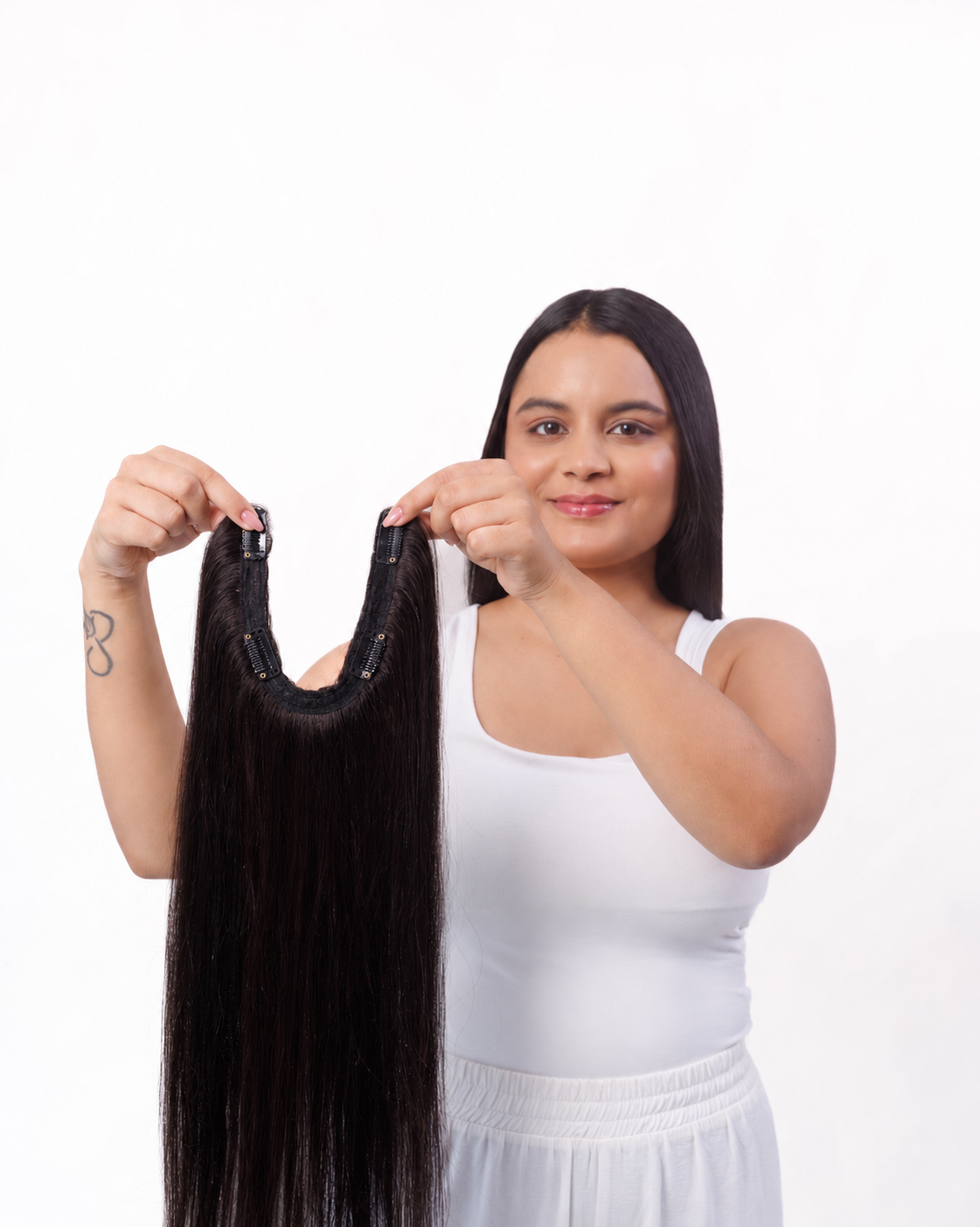
Common reasons for tangling include:
-
Insufficient conditioning: Dry strands can create friction and become difficult to detangle.
-
Rough brushing: Pulling or brushing aggressively can create knots and contribute to breakage.
-
Friction: Contact with clothing, bedding, and accessories can cause longer extensions to become tangled.
-
Incorrect washing: Rubbing, twisting, or bunching the hair while washing can create knots.
-
Improper drying: Storing extensions before they are completely dry can contribute to unpleasant odours and deterioration.
-
Poor storage: Leaving extensions loose, folded, or mixed with other hairpieces can lead to tangling.
Understanding these causes is the first step towards building a better extension care routine.
1. Detangle Your Hair Extensions Before Washing
Always detangle removable hair extensions before washing them. This helps prevent existing knots from becoming tighter when the hair gets wet.
Follow these steps:
Step 1: Place the extensions on a clean, flat surface or hold them securely by the weft.
Step 2: Use a suitable extension brush or wide-tooth comb to remove loose knots.
Step 3: Start brushing from the ends and gradually move towards the middle lengths.
Step 4: Hold the hair near the attachment area to avoid pulling on the weft, stitching, or clips.
Step 5: Check the entire length before moving to the washing process.
Avoid brushing aggressively, especially if the extensions are already tangled. Work through knots slowly rather than pulling the strands apart.
2. Choose the Right Shampoo and Conditioner
Using suitable haircare products is important for maintaining human hair extensions.
Look for gentle shampoos and conditioners suitable for the hair material and its processing. If the manufacturer recommends specific products, follow those instructions.
What Shampoo Should You Use?
Choose a gentle shampoo that cleans the hair without leaving it feeling excessively dry.
Avoid experimenting with strong clarifying treatments or harsh chemical products unless they are recommended for your particular extensions.
Why Is Conditioner Important?
Conditioner helps improve softness and manageability. Apply it mainly to the mid-lengths and ends, where extensions are more likely to become dry.
Avoid applying heavy conditioner directly to clips, stitching, adhesive areas, or other attachment components unless the manufacturer permits it.
3. How to Wash Human Hair Extensions Properly
Washing extensions correctly helps remove product buildup, dust, and styling residue without creating unnecessary tangles.
Use the following method for removable extensions:
Step 1: Prepare a Clean Washing Area
Place your extensions on a clean surface near a sink or basin. Make sure they are fully detangled before washing.
Step 2: Wet the Hair Gently
Use lukewarm water and allow it to flow gently along the length of the hair. Avoid twisting, bunching, or rubbing the strands together.
Step 3: Apply Shampoo
Use a small amount of suitable shampoo and gently work it through the hair in a downward direction.
Avoid scrubbing the strands or aggressively rubbing the weft.
Step 4: Rinse Thoroughly
Rinse with clean water until the shampoo is completely removed. Keep the hair aligned in its natural direction while rinsing.
Step 5: Apply Conditioner
Apply a suitable conditioner to the mid-lengths and ends. Allow it to sit for the time recommended on the product.
Step 6: Rinse and Remove Excess Water
Rinse thoroughly and gently squeeze out excess water. Do not twist or wring the extensions.
Important: This washing routine is intended for removable extensions. Tape-in, I-Tip, and other professionally installed extensions require attachment-specific washing instructions. Follow your stylist's guidance rather than removing or washing them as detached wefts.
Explore Hair Extensions for Women to compare different extension types and styling options.
4. How to Dry Human Hair Extensions Without Creating Tangles
Drying is just as important as washing. Incorrect handling while the hair is wet can create knots and put unnecessary stress on the strands.
Use a Soft Towel
Place the washed extensions on a soft, clean towel. Gently press the towel against the hair to absorb excess water.
Avoid rubbing the hair between the towel because this can increase friction and tangling.
Allow the Hair to Air-Dry
Whenever the product instructions permit, allow removable extensions to air-dry on a clean, suitable drying surface.
Arrange the hair neatly so the strands remain aligned while drying.
Use a Hair Dryer Only When Appropriate
If you prefer blow-drying, check that the extensions are suitable for heat styling.
Use a low or moderate temperature and keep the dryer moving rather than concentrating heat on one section.
Avoid applying excessive heat near clips, stitching, adhesive components, or other sensitive areas.
Make Sure the Extensions Are Completely Dry
Before storing your extensions, ensure that the hair and attachment area are fully dry. Keeping damp extensions in a closed storage space can create unwanted moisture-related problems.
5. How to Brush Human Hair Extensions Without Breakage
Regular, gentle brushing helps maintain the appearance of your extensions and reduces the chances of knots becoming difficult to remove.
Follow these brushing tips:
-
Use a suitable extension brush or wide-tooth comb.
-
Always start detangling from the ends.
-
Hold the weft or attachment area while brushing to minimise pulling.
-
Work through small sections instead of brushing the entire length at once.
-
Avoid aggressive brushing when the hair is wet.
-
Remove stubborn knots patiently rather than pulling them apart.
If your extensions have a curly or wavy texture, use a suitable detangling method that preserves their natural pattern.
Explore Curly Hair Extensions and Straight Hair Extensions to compare different textures and styling options.
6. How to Store Human Hair Extensions Properly
Proper storage is one of the easiest ways to reduce tangling between uses.
1. Detangle Before Storing
Make sure your extensions are clean, completely dry, and gently detangled before putting them away.
2. Keep the Hair Aligned
Arrange the strands in their natural direction. Avoid folding the hair into tight or uneven sections.
3. Use a Storage Bag or Box
Place removable extensions in a clean, dry storage bag or suitable hair extension box. This helps protect them from dust and friction.
4. Store Clips and Wefts Carefully
For clip-in extensions, keep the clips secured in their intended position without pressing or bending them unnecessarily.
5. Choose a Dry Storage Space
Store the extensions away from direct sunlight, excessive heat, humidity, and moisture.
6. Keep Different Extensions Separate
If you own multiple colours, lengths, or textures, store them separately to make identification and styling easier.
7. How Often Should You Wash Human Hair Extensions?
There is no single washing schedule for every extension type. The right frequency depends on how often you wear the extensions, how much styling product you use, and the manufacturer's recommendations.
For removable clip-in extensions, washing every time you wear them is generally unnecessary. Clean them when they have accumulated noticeable product buildup, oil, dirt, or residue.
For professionally installed extensions, washing frequency and technique depend on the attachment system and your stylist's recommendations.
Overwashing can contribute to dryness, so focus on keeping the hair clean without washing it unnecessarily.
8. Do Different Hair Extension Types Need Different Care?
Yes. Although the basic principles of gentle handling, detangling, and proper storage remain important, different extension types have different maintenance requirements.
|
Extension Type |
Care Considerations |
|
Clip-In Extensions |
Detangle, wash when needed, dry completely, and store separately |
|
Halo Extensions |
Follow wire and hairpiece care instructions; avoid pulling on the supporting band |
|
Curly Extensions |
Use suitable detangling methods to help preserve curl definition |
|
Straight Extensions |
Brush gently and minimise friction to maintain a smooth appearance |
|
Tape-In Extensions |
Follow professional washing and maintenance instructions for the adhesive system |
|
I-Tip Extensions |
Maintain attachment areas carefully and follow professional guidance |
You can explore HairJoy's Clip-In Hair Extensions, Halo Hair Extensions, and Permanent Hair Extensions to compare different options.
9. Common Mistakes to Avoid When Caring for Human Hair Extensions
Even quality extensions can become difficult to manage if they are not maintained properly.
Avoid these common mistakes:
Brushing from the roots downwards: Start at the ends and work upwards to avoid tightening knots.
Using too much shampoo: Excessive product can make rinsing difficult and create residue.
Rubbing the hair while washing: Aggressive rubbing increases friction and can lead to tangling.
Storing damp extensions: Always ensure removable extensions are completely dry before storage.
Using excessive heat: Repeated high-temperature styling can affect the condition of human hair.
Ignoring attachment care: Clips, wefts, and permanent attachment areas may require specific maintenance.
Sleeping in removable extensions: Remove clip-in and halo extensions before bed unless the manufacturer specifically recommends otherwise.
10. Tips to Keep Hair Extensions Smooth and Tangle-Free for Longer
A few simple habits can help maintain your extensions between washes.
-
Brush gently before and after wearing them.
-
Use suitable conditioning products on the lengths and ends.
-
Avoid excessive friction against clothing and accessories.
-
Detangle hair after windy or active outdoor days.
-
Protect extensions from direct heat when not in use.
-
Follow product-specific washing instructions.
-
Store removable extensions neatly after every use.
Consistency is more important than using numerous haircare products. A gentle routine can help preserve the appearance and manageability of your extensions.
Final Thoughts
Knowing how to wash, dry, and store human hair extensions properly can make a significant difference in maintaining their appearance. Gentle washing, careful detangling, appropriate drying, and organised storage all help reduce unnecessary tangling and handling damage.
Remember that different extension types may require different care routines. Clip-in extensions can be removed and maintained separately, while tape-ins, I-Tips, and other professionally installed methods require attachment-specific care.
Whether you use extensions for everyday styling, additional volume, or special occasions, taking care of them consistently can help keep them looking smooth, manageable, and ready to wear.
Explore HairJoy's Human Hair Extensions for Women to discover different options for adding length and volume to your hairstyle.
Frequently Asked Questions
1. How Often Should You Wash Human Hair Extensions?
Wash removable human hair extensions when they accumulate noticeable dirt, oil, or styling product buildup. You do not need to wash them after every use. Follow the manufacturer's instructions for your specific extension type.
2. Can You Use Regular Shampoo on Human Hair Extensions?
You may be able to use a gentle shampoo suitable for human hair extensions, but the best choice depends on the product's processing and care instructions. Avoid harsh or unsuitable treatments that may contribute to dryness.
3. Should You Brush Hair Extensions When They Are Wet or Dry?
For most removable extensions, detangling gently before washing and brushing again after the hair has dried is a practical approach. Avoid aggressive brushing when the hair is wet because wet strands can be more vulnerable to stretching and damage.
4. How Do You Stop Human Hair Extensions From Tangling?
Brush regularly, use suitable conditioner on the lengths and ends, avoid rough washing, and store extensions neatly after they are completely dry. Reducing friction and handling the hair gently can also help.
5. Can You Blow-Dry Human Hair Extensions?
Yes, human hair extensions may be blow-dried when the specific product permits heat styling. Use a suitable heat protectant, a moderate temperature, and gentle airflow. Avoid excessive heat near the clips, stitching, or attachment areas.
6. Can You Sleep With Human Hair Extensions?
It is generally recommended to remove temporary clip-in and halo extensions before sleeping. This helps reduce friction, tangling, and unnecessary tension on your natural hair. Professionally installed extensions have different sleeping and care requirements.
7. How Should You Store Clip-In Hair Extensions?
Detangle the extensions, make sure they are completely dry, arrange the strands neatly, and place them in a clean storage bag or box. Keep them away from moisture, dust, and direct sunlight.
8. Why Do My Human Hair Extensions Become Dry After Washing?
Dryness can occur because extensions do not receive natural scalp oils. Frequent washing, unsuitable shampoos, excessive heat, and inadequate conditioning may also contribute. Use suitable products and follow the manufacturer's care instructions.
9. Can You Use Hair Oil on Human Hair Extensions?
Some lightweight hair oils may be suitable for human hair extensions, particularly on the mid-lengths and ends. However, avoid applying excessive oil near clips, stitching, adhesive attachments, or the base unless permitted by the manufacturer.
10. How Long Do Human Hair Extensions Last With Proper Care?
Their lifespan depends on hair quality, processing, extension construction, frequency of use, styling habits, and maintenance. Proper washing, gentle detangling, and suitable storage can help preserve their condition, but no fixed lifespan applies to every product.
